
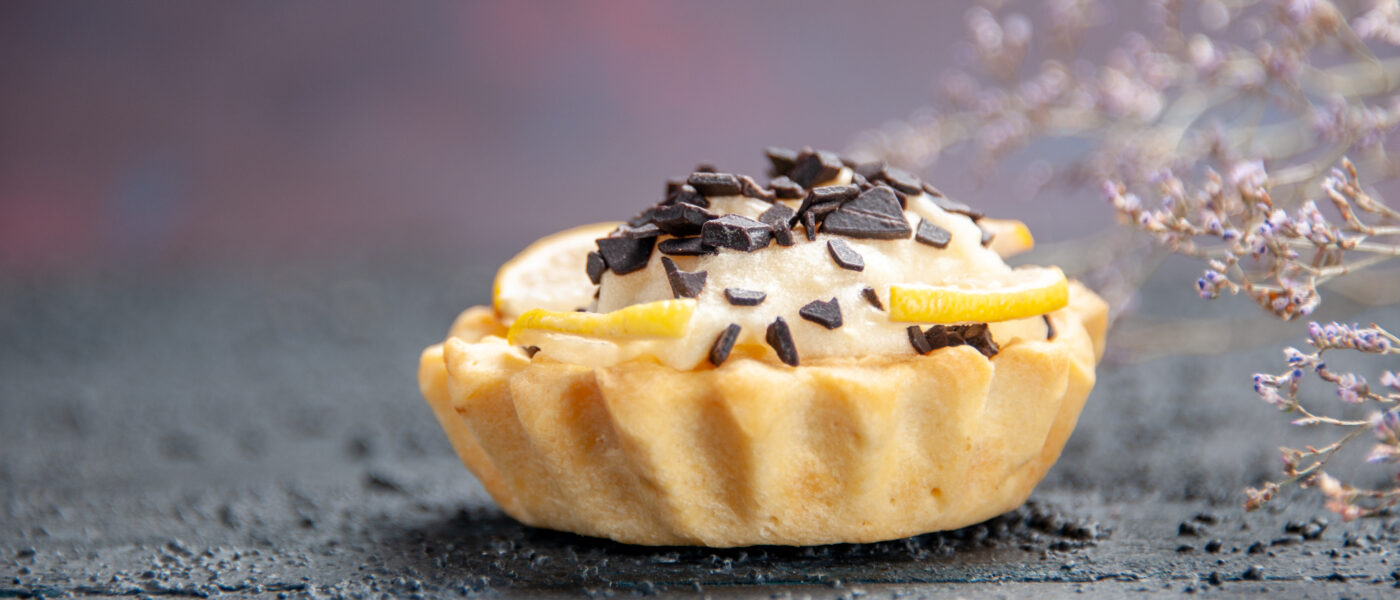
Shingo Shiina, 64, a retired architect, takes a bite of lemon tart. A few seconds in, his face relaxes: underneath the expected tartness, a pickle flavour kicks in. “No human would have dared,” he says, before admitting that the result is, against all odds, pretty good.
This unlikely tart has been on sale since September in Lawson stores around Tokyo, one of Japan’s biggest convenience chains. It’s one of three products designed with help from artificial intelligence, which the teams deliberately kept in the dark about past sales figures. The idea: stop the algorithm from recycling familiar combinations and push it toward pairings no pastry chef would ever propose on their own. The raw ideas then go to human developers, who taste them and adjust the recipes – the lemon’s acidity, in this case, took several rounds to get right. Priced at 270 yen, roughly 1.65 euros, the tart is sold in close to 4,700 stores.
At FamilyMart, Lawson’s main rival, the logic runs the other way. The chain feeds its AI with sales history to land on new items that will actually sell: a French-style canelé filled with sweet potato purée and topped with caramel sauce is its latest example. In July, it had already tried the approach with a biscuit sandwich filled with thick milk cream, its first attempt at this kind of computer-assisted recipe.
Neither chain shares precise sales figures. But the signal is there: on a Japanese convenience store shelf that turns over every week, artificial intelligence is becoming just another brainstorming tool, leaving it to human hands to turn the odd idea into a snack people actually want to reach for again.